Teeth Whitening: A Complete Guide to a Brighter Smile
Ishaani Dental Team · 10 April 2026 · 4 min read
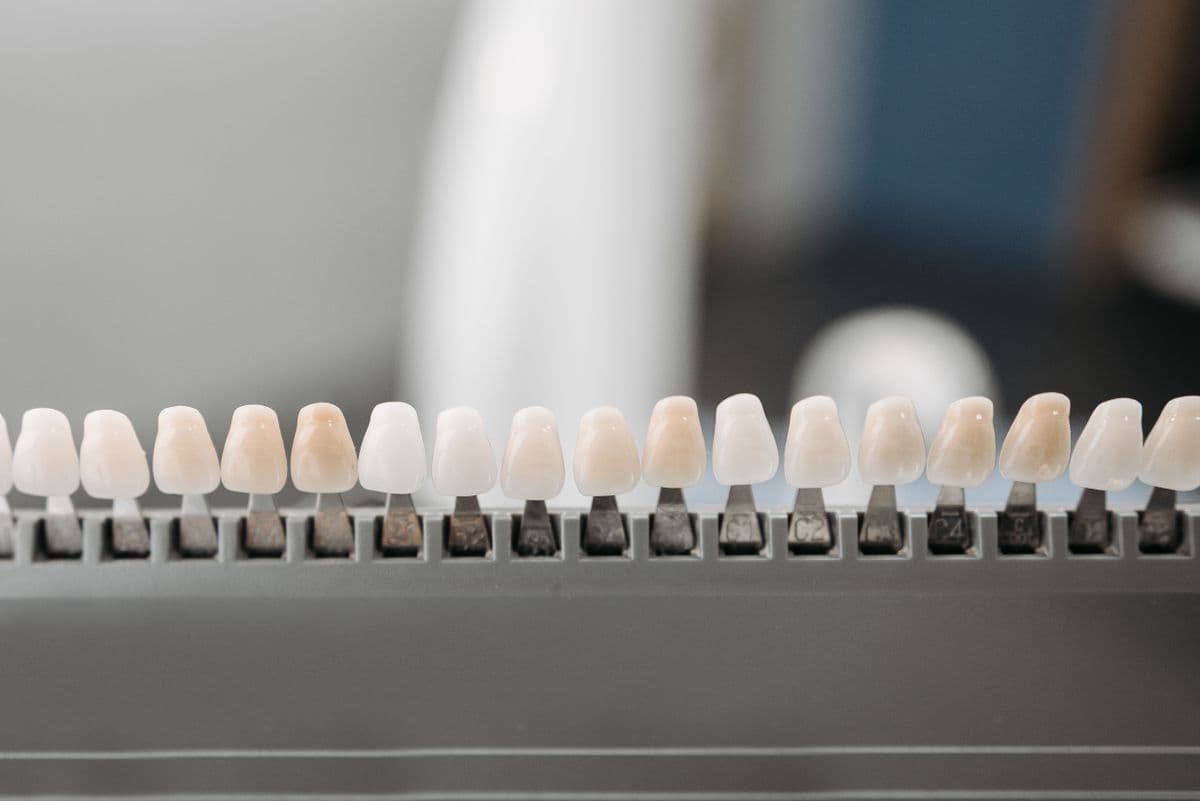
A bright, even smile is one of the most requested cosmetic dental treatments — and for good reason. Whitening is quick, non-invasive, and can make a noticeable difference in how a smile looks and feels. But not all whitening is created equal, and understanding your options helps you get safer, longer-lasting results.
How Teeth Get Stained
- Coffee, tea, red wine, and dark sodas
- Tobacco use
- Natural aging, as enamel thins and the yellower dentin beneath shows through
- Certain medications taken during childhood tooth development
- Inconsistent brushing and flossing, which lets surface stains build up
In-Office vs At-Home Whitening
In-office whitening uses a stronger, professionally-applied bleaching gel and is typically completed in a single visit, with gums protected throughout. At-home kits — whether custom trays from your dentist or over-the-counter strips — take longer to show results but can be a lower-cost way to maintain your shade between professional treatments.
Dentist-supervised whitening is generally the safer route: concentration, application time, and your gum health are all monitored, reducing the risk of sensitivity or uneven results.
What to Expect During Treatment
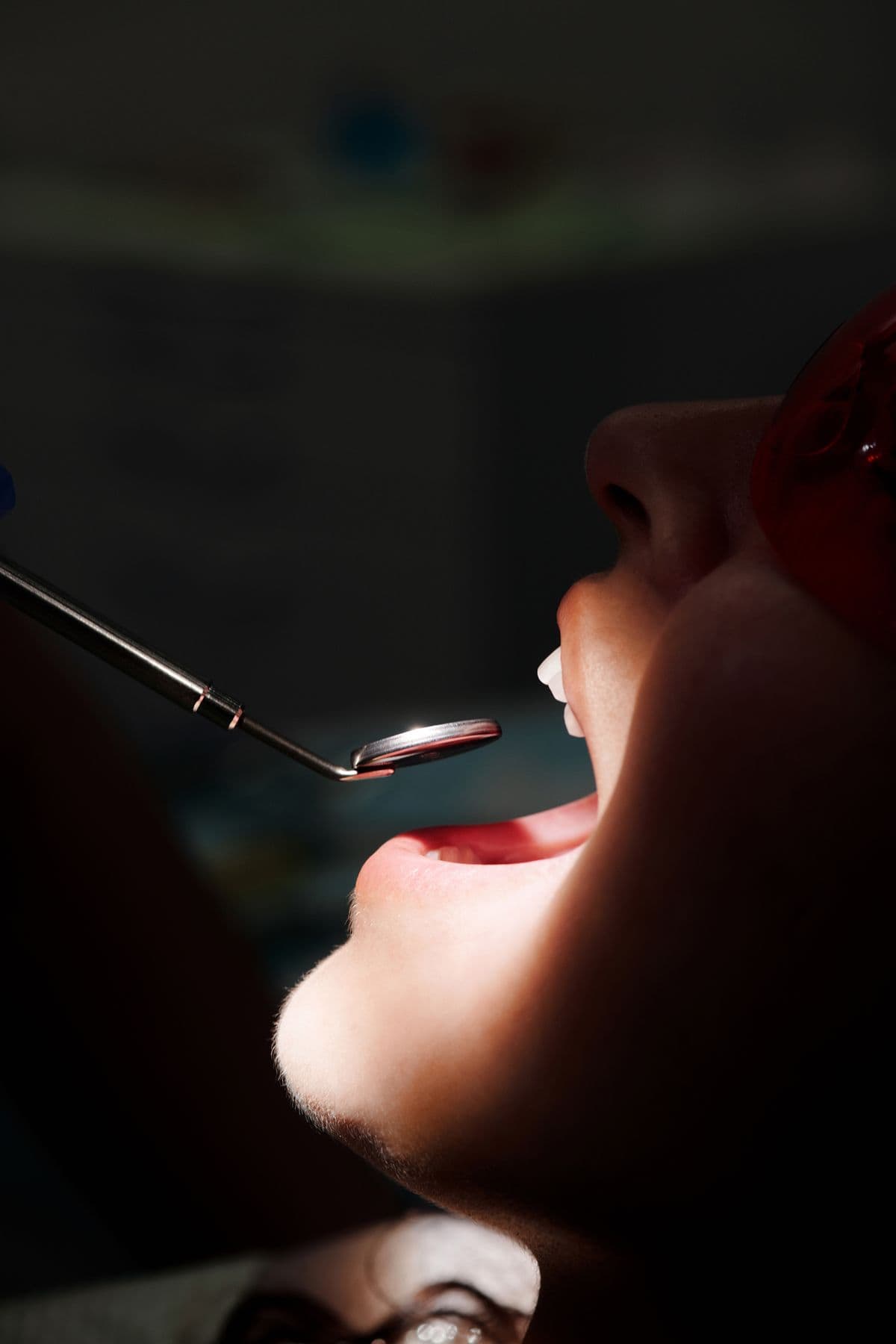
Before whitening, your dentist will check for cavities or gum issues that need addressing first, since whitening gel can irritate compromised areas. During an in-office session, a protective barrier shields your gums while the whitening agent is applied and activated, often in a few short cycles.
Aftercare Tips to Maintain Your Results
- Avoid deeply pigmented foods and drinks for the first 24–48 hours
- Use a straw for coffee, tea, or dark drinks going forward
- Keep up with brushing, flossing, and regular cleanings
- Touch-up treatments every so often help maintain your shade
Is Whitening Right for You?
Whitening works best on healthy, natural enamel — it won't change the color of existing crowns, veneers, or fillings, which is worth discussing with your dentist if you have visible restorations. Sensitivity is the most common side effect and is usually mild and temporary.
A consultation is the best way to find out which approach — in-office, at-home, or a combination — will get you the brightest result safely.