Understanding Tooth Malalignment: A Guide to Orthodontic Solutions
Dr. Raghavendra S Medikeri · 26 February 2026 · 3 min read
What Is Tooth Malalignment?
Tooth malalignment describes teeth that are not in their ideal position — crooked, crowded, spaced too far apart, or overlapping. It can also involve bite problems, where the upper and lower teeth don't fit together properly.
- Crowding — insufficient jaw space for all teeth to fit properly
- Spacing — gaps between teeth
- Overbite — upper front teeth overlap the lower teeth excessively
- Underbite — lower teeth extend beyond the upper teeth
- Crossbite — some upper teeth sit inside the lower teeth when biting
- Open bite — front teeth don't touch when biting down
Causes of Tooth Malalignment
- Genetics — family history plays a significant role in tooth positioning
- Jaw size and shape — a small jaw can cause crowding; a larger one can lead to spacing
- Early loss of baby teeth, which can cause permanent teeth to grow incorrectly
- Prolonged thumb sucking or pacifier use
- Injuries that shift teeth, or untreated cavities and gum disease
Problems Caused by Malalignment
Crowded or crooked teeth create tight spaces that are hard to clean with brushing and flossing, increasing the risk of decay and gum disease. Improper bite alignment can also strain jaw muscles and joints, leading to jaw pain, clicking, headaches, and uneven wear on the teeth themselves.
How to Fix It
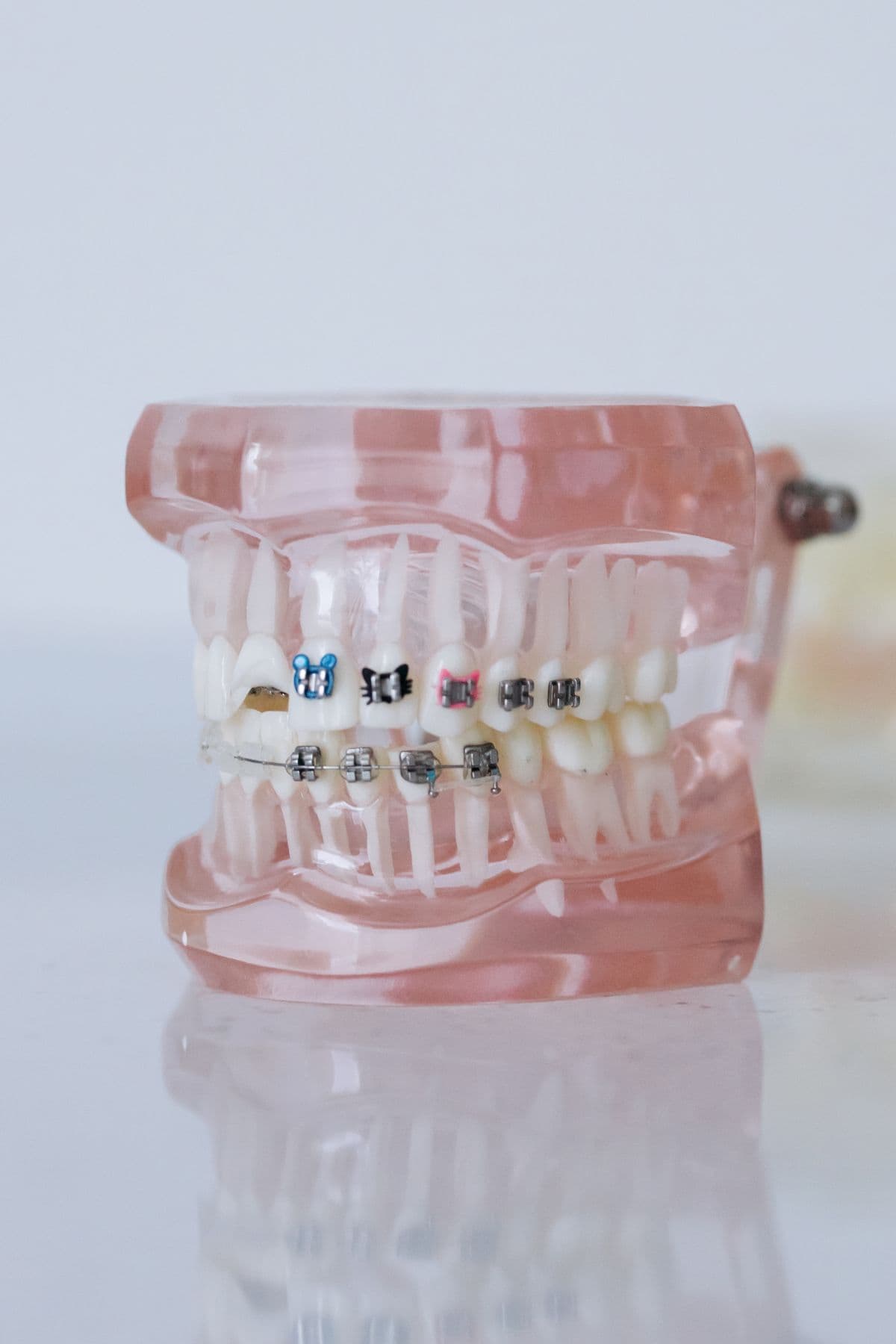
- Braces — the gold standard for complex movements using brackets and wires
- Clear aligners — removable, discreet trays for mild to moderate cases
- Retainers — used to maintain position or correct very minor shifts
- Surgery or extraction — reserved for severe crowding or skeletal jaw issues
Early Intervention Matters
Children benefit from early orthodontic evaluation — most orthodontists recommend a first check-up by age 7 to catch jaw growth issues before they become permanent.
Tooth malalignment extends beyond cosmetic concerns — it affects overall oral health and quality of life. Early diagnosis and professional treatment improve outcomes and reduce complications.