A Parent's Guide to Children's Dental Care
Ishaani Dental Team · 2 May 2026 · 5 min read
Good dental habits started early can prevent a lifetime of avoidable problems. Children's mouths change quickly, and knowing what to expect — and when to act — makes it much easier to keep small issues from becoming bigger ones.
When to Start
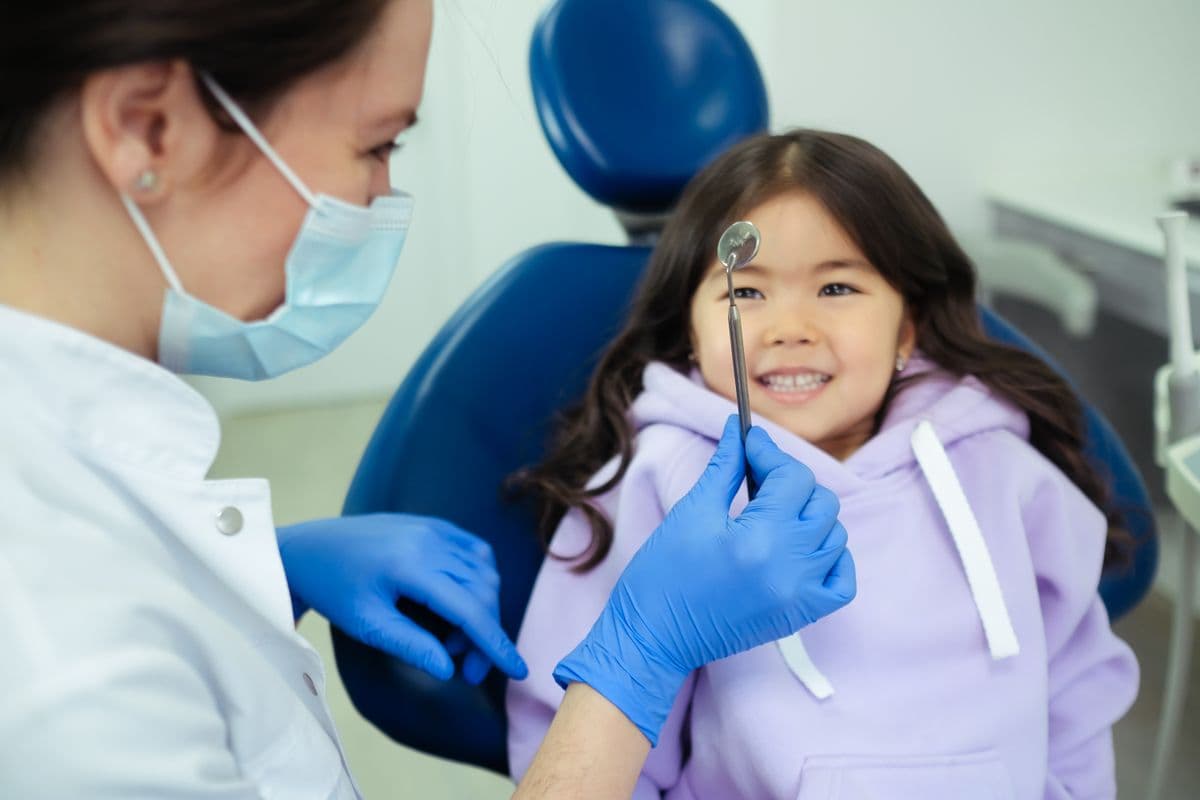
Most dentists recommend a first dental visit by your child's first birthday, or within six months of their first tooth erupting — whichever comes first. Early visits are short and low-pressure, focused on getting your child comfortable with the chair and catching any early decay.
Building Healthy Habits Early
- Brush twice daily with a pea-sized amount of fluoride toothpaste once teeth appear
- Supervise brushing until your child can reliably do it well on their own, usually around age 6–7
- Start flossing as soon as two teeth touch
- Limit sugary snacks and juice, especially between meals
- Avoid putting a child to bed with a bottle of milk or juice
Cavity Sealants
Once permanent molars come in — typically between ages 6 and 12 — sealants can be applied in minutes to shield the deep grooves where cavities most often start. It's a quick, painless way to meaningfully reduce cavity risk for years.
Common Concerns
- Thumb sucking: usually harmless early on, but prolonged habits past age 4–5 can affect tooth alignment
- Teething: gentle gum massage and chilled (not frozen) teething rings can help with discomfort
- Losing baby teeth early: due to decay or injury, this can affect how permanent teeth come in and may need a spacer
Making Dental Visits Positive
How a child feels about the dentist early on tends to stick. Keep the language light, avoid words like 'pain' or 'shot,' and consider a practice that's experienced with treating children specifically — a calm first few visits go a long way toward a lifetime of good dental habits.